
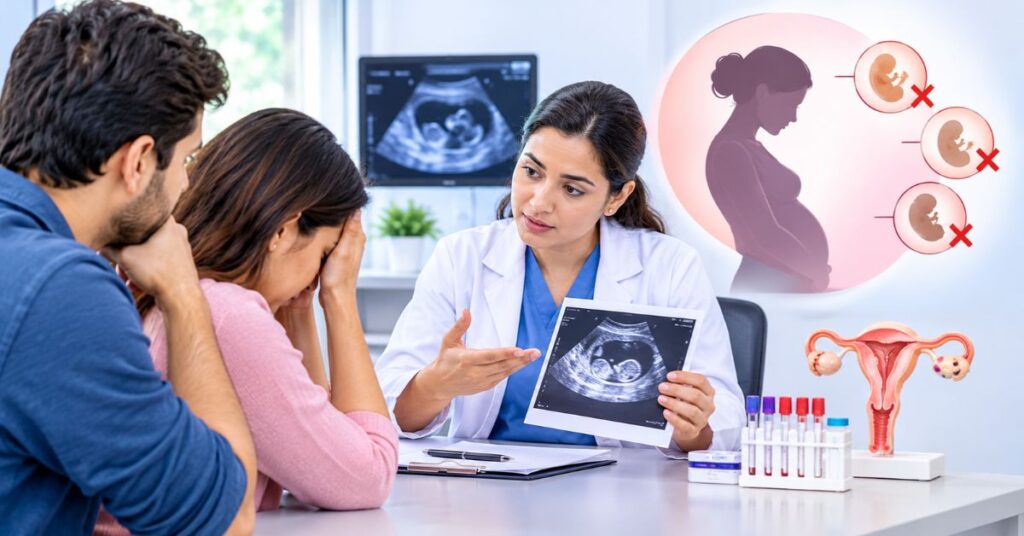
Repeated pregnancy loss can be an emotionally difficult experience for couples who are planning to have a baby. It refers to two or more pregnancy losses and may occur due to several medical, hormonal, genetic, or reproductive health conditions.
A fertility specialist evaluates repeated pregnancy loss through a detailed medical history, diagnostic tests, and an individualised treatment approach. Identifying the possible underlying cause can help guide future pregnancy planning.
What Are the Common Causes of Repeated Pregnancy Loss?
Several factors may contribute to repeated pregnancy loss, including:
- Genetic or Chromosomal Problems: Chromosomal abnormalities in the embryo can affect normal pregnancy development.
- Hormonal Imbalances: Thyroid disorders, uncontrolled diabetes, and certain hormonal conditions may increase pregnancy risks.
- Uterine Abnormalities: Uterine fibroids, polyps, or congenital abnormalities can sometimes affect pregnancy.
- Blood Clotting Disorders: Antiphospholipid syndrome (APS) is an important condition associated with recurrent pregnancy loss.
- Age-Related Factors: Increasing maternal age can affect egg quality and chromosomal health.
- Lifestyle Factors: Smoking, excessive alcohol consumption, and certain health conditions may influence reproductive health.
In some cases, the exact cause may remain unexplained even after detailed investigations.
How Does a Fertility Specialist Evaluate Repeated Pregnancy Loss?
A fertility specialist may recommend several investigations depending on the patient’s medical history and previous pregnancy outcomes.
1. Detailed Medical and Pregnancy History
The specialist reviews previous pregnancies, gestational age at pregnancy loss, medical conditions, menstrual history, medications, and family history. This helps identify possible risk factors.
2. Hormonal and Blood Tests
Blood investigations may include thyroid function, blood glucose, and other tests based on individual symptoms and medical history. Testing for antiphospholipid antibodies may also be recommended.
3. Uterine Examination
Ultrasound, saline sonography, or hysteroscopy may be used to examine the uterus and identify fibroids, polyps, or structural abnormalities that could affect pregnancy.
4. Genetic Evaluation
In selected cases, genetic testing of pregnancy tissue or parental chromosome analysis may help identify chromosomal factors associated with repeated pregnancy loss.
5. Evaluation of Reproductive Health
The fertility specialist may assess ovarian health, menstrual patterns, and other reproductive factors to understand the patient’s overall fertility condition.
What Treatment Options Are Available?
Treatment depends on the underlying cause identified during evaluation. Possible approaches include:
- Managing thyroid disorders or uncontrolled diabetes.
- Treating antiphospholipid syndrome with appropriate medical supervision.
- Addressing certain uterine abnormalities through hysteroscopy or other suitable procedures.
- Providing genetic counselling when chromosomal factors are identified.
- Offering personalised pregnancy monitoring and preconception guidance.
Not every patient requires surgery or fertility treatment. The management plan should be based on individual test results.
Can Women Have a Successful Pregnancy After Repeated Pregnancy Loss?
Yes, many women with a history of repeated pregnancy loss can have a successful pregnancy. The chances depend on factors such as maternal age, underlying medical conditions, previous pregnancy history, and the identified cause.
Early consultation with a fertility specialist can help identify treatable conditions and provide appropriate support during future pregnancy planning.
When Should You Visit a Fertility Clinic in Indore?
Couples who have experienced two or more pregnancy losses should consider consulting a fertility specialist for a detailed evaluation. Early assessment can help identify possible causes and guide further care.
If you are looking for a fertility clinic in Indore or a fertility center in Indore, consult a qualified fertility specialist to understand the available diagnostic and treatment options.
With proper evaluation, medical guidance, and personalised care, couples can make informed decisions about their reproductive health and future pregnancy planning.